
择天记
上合文旅|文旅场馆提质背景下,景区展厅升级改造怎么做?_我的网站

一 | 在文旅高质量发展大背景下,各地加快推进公共文化场馆提质增效【依据:文化和旅游部《“十四五” 文化和旅游发展规划》】。
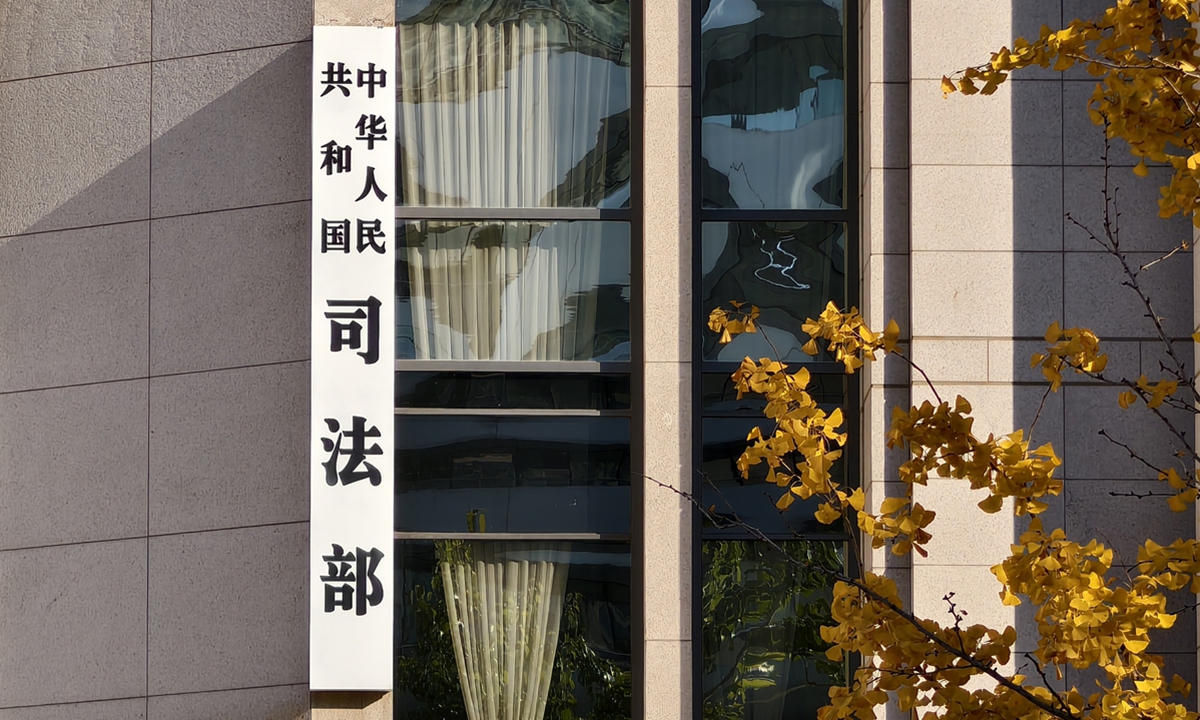
China on Wednesday determined that the EU's cross-border investigative practices targeting Chinese entities in its probe into JD.com under the Foreign Subsidies Regulation (FSR) constituted unlawful extraterritorial jurisdiction, and said it is barring organizations and individuals from implementing or assisting with the measures.
This statement was made by China's Ministry of Justice (MOJ), together with the Ministry of Commerce (MOFCOM) and other relevant departments. The announcement takes effect immediately.
The finding follows an investigation conducted pursuant to Articles 3 and 6 of China's rules on countering foreign states' unlawful extraterritorial jurisdiction measures. No organization or individual may implement or assist in implementing such measures, according to the official WeChat account of the MOJ on Wednesday evening.
The announcement sends a clear and firm message about China's position on the EU's unilateral measures, and the bloc should carefully weigh the broader implications of pursuing such actions, including the potential costs to its own interests and China-EU economic and trade relations, a Chinese expert said. Continued use of the FSR in this manner could erode investment confidence and further strain bilateral economic ties, the expert noted.
Countering extraterritorial overreach
A spokesperson for China's MOJ on Wednesday blasted the EU's targeting of JD.com, saying the bloc had arbitrarily demanded extensive and unnecessary information located in China from Chinese entities on a cross-border basis. Such demands are improper and constitute a serious violation of the international rule of law, the spokesperson said.
To safeguard China's sovereignty, security and development interests, as well as the legitimate rights and interests of Chinese citizens, legal persons and other organizations, the Ministry of Justice, together with the Ministry of Commerce and other relevant authorities, determined in accordance with rules on countering foreign states' unlawful extraterritorial jurisdiction measures that the EU's actions constituted unlawful extraterritorial jurisdiction. Any organization or individual is therefore prohibited from complying with or assisting in the implementation of the measures, according to the spokesperson.
The MOJ spokesperson urged the EU to immediately correct its wrongful practices, stop abusing the Foreign Subsidies Regulation as an investigative tool, and provide a fair, just and predictable market environment for companies investing and operating in Europe. If the EU persists with such actions, China will take resolute countermeasures in accordance with law, the spokesperson said.
Chinese e-commerce giant JD.com's $2.5 billion bid for German electronics retailer Ceconomy may involve Chinese subsidies, European Union competition regulators claimed, as they opened a full-scale investigation into the deal, Reuters reported on May 28.
The acquisition will allow one of China's largest retailers to expand outside its home market via Ceconomy-owned electronic products retailers MediaMarkt and Saturn, Reuters reported.
The decision by the European Commission marks its first in-depth probe of a Chinese deal under its so-called FSR.
This marks another time the rules on countering foreign states' unlawful extraterritorial jurisdiction measures have been invoked since they took effect in April.
In May, the MOJ, together with MOFCOM and other relevant departments, determined after an investigation that the EU's cross border investigative practices targeting Chinese entities in its investigation into Nuctech under the FSR constituted unlawful extraterritorial jurisdiction.
The latest announcement concerning the EU's unilateral move under the FSR once again reflects the Chinese government's firm position on safeguarding national sovereignty, security and legitimate rights and interests, while also representing a clear response to the EU's relevant practices, Jian Junbo, director of the Center for China-Europe Relations at Fudan University's Institute of International Studies, told the Global Times on Wednesday.
"The announcement sends a clear signal to the EU and other countries: China will not accept attempts by any country to use its domestic laws as a basis for exercising unlawful extraterritorial jurisdiction over matters within China, particularly when such actions undermine China's sovereign rights and interests," said Jian.
Likewise, China will not accept attempts to unilaterally address economic and trade frictions through so-called legal instruments when doing so harms the legitimate rights and interests of Chinese companies and the Chinese market, Jian said.
Call on fair, just market
The EU's frequent use of the FSR against Chinese companies is not an isolated occurrence.
In February, the European Commission announced an in-depth investigation under the FSR into Chinese wind turbine manufacturer Goldwind.
Responding to the bloc's move, a MOFCOM spokesperson said that the EU had recently frequently used the FSR to launch investigations into Chinese companies and had escalated investigations into Chinese wind power and security equipment companies to in-depth probes, showing clear targeting and discrimination. China has expressed serious concern and strong dissatisfaction over the moves.
The MOFCOM spokesperson said the EU's investigations had broadened the concept of "foreign subsidies" and involved multiple problems, including insufficient evidence to launch investigations and a lack of transparency in procedures, describing the practices as "typical protectionism in the name of 'fair competition.'"
In January 2025, following an investigation, MOFCOM already determined in accordance with the law that the EU's relevant practices constituted trade and investment barriers. Instead of correcting its practices, the EU has gone further down the wrong path.
"China has made its position very clear, and the EU should fully consider the consequences of continuing with such measures, including their potential impact on the EU itself and on China-EU economic and trade relations," Zhang Jian, a vice president of the China Institutes of Contemporary International Relations, told the Global Times on Wednesday.
If the EU continues to impose excessive restrictions on foreign companies through similar rules, it will not only raise compliance costs for multinational companies but could also undermine the competitiveness of European businesses, Zhang said, noting that the EU economy is already facing considerable challenges, while concerns over excessive regulation, bureaucracy and increasingly complex rules have also grown within Europe.
Moreover, such rules may ultimately constrain European companies as well as foreign businesses, experts noted. At a time when the EU economy is facing difficulties, adding more regulation and restrictions instead of addressing underlying problems would be akin to "drinking poison to quench thirst," potentially creating even greater problems for the European economy, Zhang said.
China and the EU are both major global economies. Chinese investment in Europe not only brings capital, but also creates jobs, strengthens supply chains, introduces new technologies and adds vitality to local markets, Jian said.
Moreover, from new-energy vehicles to air conditioners and other consumer products, Chinese companies have brought high-quality, cost-effective products to European consumers, helping meet much-needed market demand while providing consumers with greater choice.
Jian said that as China-EU cross border investment deepens, regulatory frictions are inevitable, but they should be addressed through dialogue and coordination rather than unilateral expansion of extraterritorial jurisdiction. Respect for each other's judicial sovereignty and legal boundaries is essential to stable and predictable economic and trade ties, the expert said.
。大量早期建成的景区展厅、文博场馆、宗祠展陈空间、村史馆、专题展馆,面临展陈内容过时、展示形式老旧、参观体验不足等现实问题,展厅升级改造已经成为各地文旅建设重点工作。

二 | 景区展厅升级改造不等于全部推倒重建,很多项目可以通过内容更新、叙事重构、动线优化、局部展项替换、数字化适度赋能,实现低成本高质量提质。不同类型展厅改造侧重点各有不同:生态科普类展厅重在科学严谨,真实还原自然本底;文物古建宗祠类改造恪守文物保护、最小干预原则;乡村类展厅重在留住乡土记忆;政企主题展厅要严守宣传口径,突出教育功能。 当下,展厅策划‑设计‑落地‑运维一体化已经成为景区展厅升级改造项目主流建设模式,策划设计作为龙头环节贯穿项目全周期,直接决定项目文化表达、政策合规落地与后期运营效果。 上合文旅立足 “文化铸魂,科技赋能,合规落地” 核心使命,积极响应国家文化保护传承利用、乡村振兴、文物活化利用、智慧文旅建设相关政策,面向景区展厅、湿地科普宣教中心、文保古建宗祠活化、村史馆、红色遗址展陈、乡村振兴展示馆等赛道,提供项目策划、内容编撰、空间展陈设计、多媒体系统落地、现场技术督导一站式整体解决方案。

三 | 深度融合在地文脉资源与数字交互技术,打造兼具政策合规、文化厚重、体验感强的公共展示空间,为生态科普、古建活化、乡村文旅高质量发展赋能。

四 | 依托大量政企项目实操经验,上合文旅围绕项目实际诉求,完成前期实地调研、史料与专业资料研判、展陈大纲编制、空间方案设计到施工落地全链条服务,可开展历史史料考证、生态科学资料梳理、场景复原、AR/VR 互动、数字沙盘、触控交互、环幕投影、文化装置等多类型展项落地。服务政府平台、文博事业单位、乡镇集体、文旅国企,积累生态科普、古建宗祠活化、乡村振兴、景区展厅升级标杆案例。

五 | 策划先行,锚定展厅改造核心内核 一座优质的升级改造展厅,展示的不只是展板、展品与多媒体设备,更是背后的历史脉络、生态本底、民俗传承、时代精神与地方发展故事,也就是 “策划先行,内涵为王”。 整体策划工作包含实地踏勘调研、项目背景研判、主题主线确立、参观故事线规划、展项形式规划、多媒体脚本编撰、史料及专业资料梳理校验。只有吃透属地资源、政策规范、建设目标,才能输出适配政企评审验收的定制化改造方案。一是项目定位研判,梳理建设背景、地域资源、目标客群、场地约束条件; 二是确立展厅叙事主题与故事主线; 三是统筹空间合理性、内容严谨性、投资概算、后期运维可行性,兼顾政策规范与观众参观体验。 设计紧随主题,实现空间、文化与科技协调融合 展厅是空间载体与本土文化的深度结合,需要把叙事内容、展陈形式、空间布局高度统一。要对原有空间做科学梳理分区,各展区逻辑关联,形成完整闭环叙事体系。 传统静态展陈模式,已经难以满足当代游客、研学团体、政务考察多元参观需求。在严守史料史实、文物保护、生态科学真实性的前提下,适度植入互动体验,让参观者沉浸式读懂地方历史、民俗文脉、生态故事。上合文旅坚持理性运用数字化手段,结合影视动画、数字交互、光影艺术,深挖内容背后的文化价值,拒绝无意义炫技堆砌。 上合文旅策划设计理念 —— 从史料叙事走向情感共鸣、价值传播; —— 文化、科学、艺术三者综合表达; —— 线下实体空间与线上文旅平台双向打通; —— 尊重观众体验,兼顾研学、政务、普通游客多元受众; —— 展教一体化、策划‑设计‑建设‑运维一体化。

六 | 上合文旅完整策划设计流程 —— 参观体验规划:输出完整故事线,规划全流程参观体验,完成展陈大纲编撰; —— 空间环境设计:空间布局、参观流线、风格定位、氛围营造、材料选型; —— 展品展项设计:确定展项交互形式、设备参数、外观造型,区分静态实物展陈与数字互动展项; —— 图文媒体设计:图文版式规范、UI 交互界面、解说脚本、多媒体内容审核校对; —— 专项系统规划:灯光声学、AV 音视频系统、智慧导览、VI 导视系统、公共艺术装置; —— 建筑协同对接:与土建、消防、安防、机电深度对接;古建、湿地场馆项目同步兼顾文物保护、高湿环境等特殊约束条件,保障方案可落地、可验收。

七 | 专业团队实力 上合文旅拥有深耕文博文旅展示领域复合型专业团队,汇聚文博内容研究员、生态科普撰稿、古建展陈策划师、空间设计师、多媒体技术工程师、文旅规划师,同时与地方文博机构、地方志专家、生态科研顾问建立专家顾问合作机制。团队熟悉国有项目报批、内容审核、竣工验收整套流程,兼顾内容严谨性、空间美学、工程落地性,为政企客户提供专业化定制改造服务。 代表项目案例赏析 案例一:黑龙江省同江海绵城市北部涵养区湿地公园科普宣教中心 三江湿地生态窗口,海绵城市科普宣教阵地 本项目坐落于同江市三江口国家湿地公园内部,为海绵城市北部涵养区核心科普宣教载体(权威佐证:同江市人民政府官方公开项目资料)同江市人民...。三江口国家湿地公园是三江平原东端典型湿地生态系统,湿地率 88.5%,栖息东方白鹳、白鹭等野生鸟类 200 余种。该展厅升级改造承担湿地科普、海绵城市技术展示、生态保护宣教、研学教育、湿地档案展陈多重职能。 项目严格遵循国家湿地保护、海绵城市建设相关导则,坚持生态保护优先。

八 | 策划阶段联合本地生态专家完成动植物标本资料、湿地水文档案、海绵城市建设成果史料梳理校验;划分三江平原湿地本底、生物多样性宝库、海绵城市建设实践、湿地保护修复、生态研学五大叙事板块。

九 | 展陈形式包含标本实物陈列、生态图文展墙、湿地沙盘复原、水文动态多媒体交互、候鸟影像展播、研学配套空间;针对滨湿地高湿环境,对展柜、多媒体设备实施防潮防腐专项选型。兼顾政务考察、研学团体、普通游客参观流线,完善无障碍设施、安全防护,整体方案适配生态类场馆评审报批及竣工验收,打造集收藏、陈列、科普教育、档案展示于一体的湿地主题宣教空间。 案例二:上犹县广田和美乡村规划方案 农研旅融合发展,打造上犹和美乡村示范样板 本项目为上犹县东山镇重点和美乡村示范建设项目,立足广田村原生村落基底、农田资源与山水生态格局,紧扣上犹县 “1356” 和美乡村建设模式,践行 “两山” 转化发展理念,打造农业 + 研学 + 乡村文旅三产融合连片示范片区,是县域乡村振兴人居提质、产业赋能、文旅升级的标杆项目(权威佐证:上犹县人民政府年度政府工作报告)。 规划严格遵循乡村建设行动、微改造精提升政策导向,不大拆大建、保留乡村原生肌理,整体统筹村庄人居环境整治、乡村风貌管控、基础设施提质、特色产业布局、文旅节点打造五大板块。依托广田村苗木种植、水稻制种、蔬菜种植本土农业基底,整合河背研学基地、东坑水库景观资源、山塘水系生态资源,规划七彩步道、花卉馆、谷食文化展示、鱼菜共生农业示范、综合服务配套等核心业态,构建连片式和美乡村发展格局。 设计层面坚持因地制宜、分类施策,统一村落建筑风貌、同步搭建乡村文化展示、农耕科普、研学体验场景,梳理本土农耕文脉、村落沿革,以轻量展陈、景观小品、标识系统植入乡村文化内核,彻底打破传统乡村 “重基建、轻文化、无业态” 的建设短板,实现宜居、宜业、宜游一体化发展,完全适配县域乡村振兴项目评审、验收、运营标准。 案例三:凤凰田氏宗祠展陈活化提升设计 守护古建文脉,让百年宗祠焕发时代新生 凤凰田氏宗祠(田家祠堂)坐落于凤凰古城沱江北岸老营哨,始建于清道光十七年(1837 年),2006 年被列为湖南省省级重点文物保护单位,是湘西地区规模宏大的传统宗族宗祠代表建筑,承载着湘西宗族制度、民族交融、地方社会发展的厚重历史信息【权威佐证:湖南省第八批省级文物保护单位公布名录】。本次属于文物建筑内部展陈升级活化项目,严格恪守《文物保护法》“保护第一、最小干预” 原则,不改动古建本体结构,聚焦内部展陈体系提质升级,实现文物保护、文化展示与景区文旅功能兼容发展中国政府网。 项目前期联合地方志、地方文博专家开展史料溯源,梳理田氏宗族发展史、湘西土司治理脉络、多民族交融故事、宗祠建筑营造技艺,完成族谱、碑刻、老照片等素材整理核验。叙事篇章设置宗祠营建溯源、宗族文脉传承、土家苗汉交融、建筑营造技艺、当代活化传承五大板块。 改造坚持 “建筑本体不动,展陈轻量化植入”,采用可拆装式展墙、低伤害固定工艺,避免对木构古建造成损伤;展陈形式包含老物件实物陈列、碑刻拓片展示、图文叙事展陈、场景复原、轻量多媒体查询终端;保留原有戏台、天井等古建空间风貌,兼顾文物安全防护、灯光专项改造,同步完善导视解说、研学配套,兼顾景区游客参观、传统文化教育、民俗科普多重功能,做到文物本体保护与公共文化展示双向统一,助力凤凰古城景区文化品质提升。 结尾 上合文旅持续深耕生态科普、古建文博活化、乡村振兴、景区展厅升级改造、全域旅游公共空间赛道,坚持文化为核、合规为基、落地为本,从前期策划、内容编撰、空间设计、多媒体落地到现场技术交底、项目验收,为各地客户提供全链条一体化解决方案,助力地方讲好本土文化故事,赋能区域文旅产业高质量融合发展。

十 | 返回,查看更多。
Current article:http://zfo2.piepengxikuozhuangzebaohouye.sbs/5ngqle/h7rpj4.html
Published on:19:05:40